High-Risk Pregnancy Follow-Up
With personalized diagnosis and treatment processes, we provide reliable and qualified support in all areas of our healthcare services.

 Türkçe
  English
  Deutsch
  Русский
  العربية

The pregnancy process is a special period for every expectant mother and should be monitored carefully. Some pregnancies may require closer follow-up and advanced evaluation due to reasons related to the mother, the baby, or the course of pregnancy. These situations are considered high-risk pregnancies.
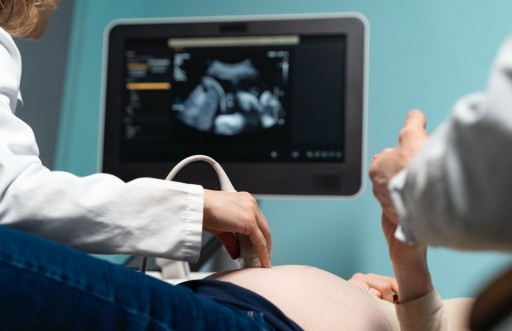
At İRENBE, in addition to normal pregnancies, the diagnosis, follow-up, and treatment processes of high-risk pregnancies are carried out by a Perinatology Specialist. Perinatology is a subspecialty of obstetrics and gynecology that aims at the early detection, monitoring, and proper management of risky conditions related to the mother and baby during pregnancy.
Whether a pregnancy is high-risk cannot always be understood only through the expectant mother’s history or a basic pregnancy examination. Especially detailed ultrasounds, screening tests, and perinatology evaluations performed during specific weeks of pregnancy provide important information regarding the health of the mother and baby.
Perinatology specialist evaluation is especially important in the following situations:
|
|
|
|
|
|
|
|
|
|
|
|
The aim in high-risk pregnancies is to identify risks related to the mother and baby as early as possible and to monitor the pregnancy safely with a personalized follow-up plan.
During this process;
Risk factors related to the mother and baby are evaluated.
A special follow-up plan is created according to the week of pregnancy and the risk status.
Detailed obstetric ultrasonography examinations are performed.
The baby’s growth and development are monitored regularly.
The risk of premature birth is evaluated by measuring cervical length.
Multiple pregnancies are closely monitored.
The effects of conditions such as hypertension, diabetes, and thyroid disease in the expectant mother on pregnancy are evaluated.
Monitoring is performed in terms of preeclampsia, risk of premature birth, and fetal growth restriction.
Amniotic fluid, placental location, and placental functions are evaluated.
If necessary, fetal and placental circulation are examined with Doppler ultrasonography.
The timing and method of delivery are planned according to the condition of the mother and baby.
When necessary, multidisciplinary evaluations are carried out in cooperation with different medical branches.

A high-risk pregnancy refers to conditions that require closer monitoring due to factors related to the mother, the baby, or the course of pregnancy. High blood pressure, diabetes, multiple pregnancies, advanced maternal age, or complications experienced in previous pregnancies are among the risk factors.
Perinatology specialists are physicians who have received special training in the diagnosis, monitoring, and management of high-risk pregnancies. This specialization is of great importance for the early detection and proper management of possible risks related to both the mother and the baby.
Detailed ultrasound is generally performed between the 18th and 24th weeks of pregnancy. Doppler ultrasound, however, is not performed at a fixed week in every pregnancy; it is included in the evaluation during periods considered necessary according to the course and risk status of the pregnancy.
The timing and method of delivery are determined according to the baby’s development, the mother’s health, and the existing risk factors. As a result of regular follow-ups and evaluations, the safest birth plan is created by the specialist physician.
Basic screening and ultrasound evaluations in pregnancy follow-up are planned during specific weeks. During the first trimester screening performed between the 11th and 14th weeks of pregnancy, the gestational week is confirmed, nuchal translucency and the nasal bone are evaluated, and an early fetal anatomy examination is performed. Uterine artery Doppler evaluation (measurement of uterine blood flow and detection of resistance to blood flow, if present) and preventive measures such as aspirin treatment should ideally be performed during the double test period between weeks 11 and 14.
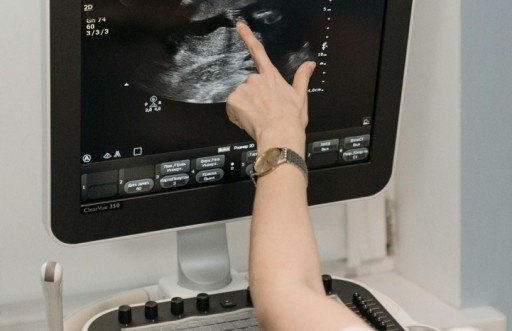
Between the 18th and 24th weeks of pregnancy, a detailed fetal ultrasound and a comprehensive anomaly screening are performed. In some cases, this examination may need to be repeated 2 or 4 weeks later.

Even in the most detailed examinations performed under optimal conditions, some structural anomalies may not be detected, or certain findings may become apparent in the later weeks of pregnancy. Therefore, it is of great importance to continue pregnancy follow-up at regular intervals.